
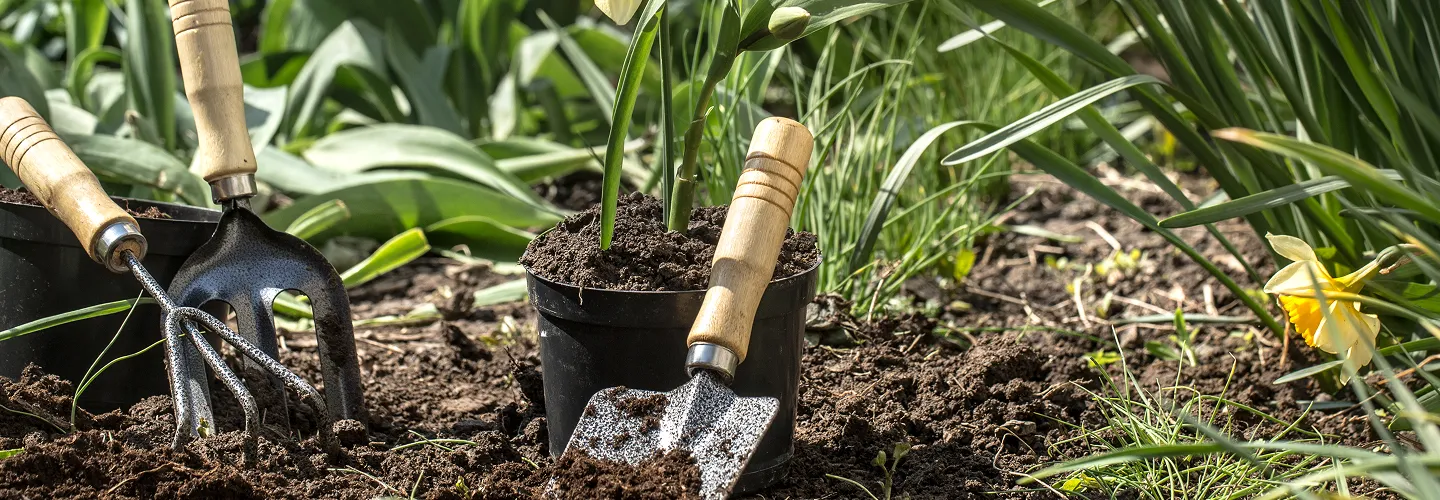
Sun City Green Waste Disposal Services
Choose our Green Waste Disposal for reliable, environmentally responsible service that keeps your property clean and supports a healthier community.
Get a Free QuoteOur Sun City Landscaping & Yard Care Services
When to Schedule Green Waste Disposal in Sun City, Arizona – Seasonal Guide
In Sun City, Arizona, the timing of green waste disposal is closely tied to our unique desert climate and the rhythms of local landscaping needs. The optimal periods for scheduling this service are typically late winter through early spring and again in late fall, when temperatures are milder and plant growth cycles are most active. These windows align with the end of frost periods and precede the intense summer heat, making it easier to manage yard debris from pruning, leaf drop, and seasonal cleanups. Neighborhoods near the Sun City North Golf Course or along Grand Avenue often experience increased green waste after monsoon storms or during the transition from winter to spring, when many residents refresh their xeriscapes or trim back shade trees.
Local environmental factors play a significant role in determining the best time for green waste disposal. For example, areas with dense shade coverage, such as those near the Bell Recreation Center, may accumulate more organic debris, while properties with sandy or clay-heavy soils require different disposal strategies due to drainage and decomposition rates. Additionally, Sun City's proximity to the White Tank Mountains means that microclimates can affect frost dates and drought risk, influencing when and how often disposal is needed. For more information on local regulations and best practices, visit the official municipal resource.
Local Factors to Consider for Green Waste Disposal in Sun City
- Tree and shrub density on your property
- Proximity to golf courses, parks, or natural washes
- Seasonal precipitation patterns, especially during monsoon season
- Soil type (sandy, clay, or loamy)
- Shade coverage and sun exposure
- Municipal restrictions or scheduled pickup dates
- Risk of drought or water conservation measures
Benefits of Green Waste Disposal in Sun City
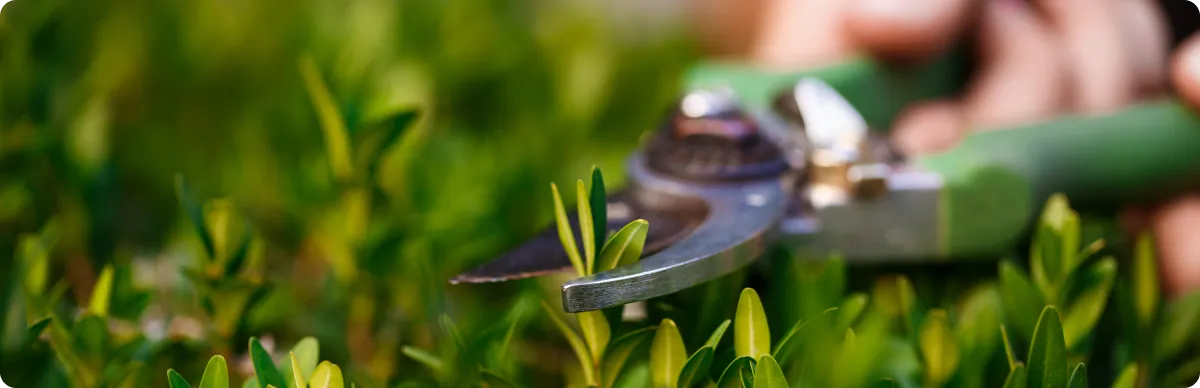
Eco-Friendly Landscaping Solutions
Efficient Green Waste Removal
Promotes Healthy Plant Growth
Reduces Landfill Waste
Improves Curb Appeal
Supports Sustainable Practices
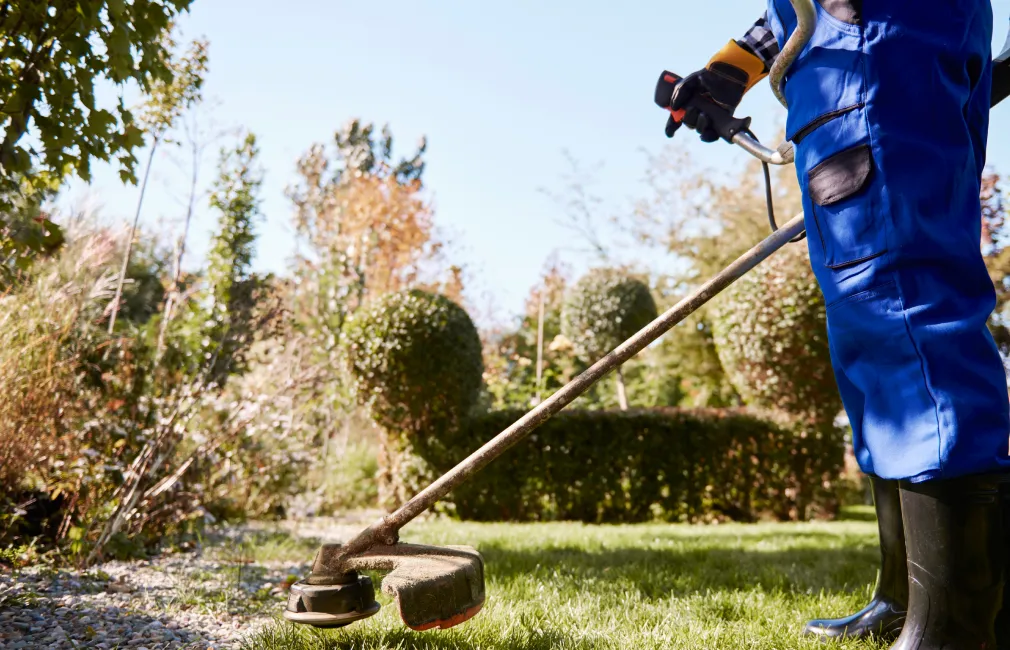
Sun City Green Waste Disposal Types

Grass Clippings
-
Tree Branches
-
Shrub Trimmings
-
Leaves Collection
-
Weed Removal
-
Palm Fronds
-
Garden Debris
Our Green Waste Disposal Process
Collection of Green Waste
Sorting and Separation
Transport to Disposal Facility
Eco-Friendly Processing
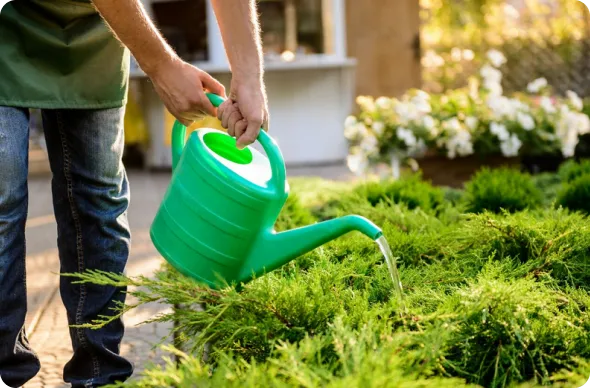
Why Choose Sun City Landscape Services
-
Sun City Homeowners Trust Us
-
Expert Lawn Maintenance
-
Reliable Irrigation Solutions
-
Comprehensive Yard Cleanup
-
Competitive Pricing
-
Professional Team
-
Satisfaction Guarantee
Coordinating Green Waste Disposal Through Sun City's County Service Framework
Sun City is an unincorporated community within Maricopa County, which means green waste disposal coordination falls under county-level departments rather than a traditional city government. Residents and property managers should direct questions about organic waste collection, bulk green waste pickup schedules, and disposal compliance to Maricopa County's waste and environmental divisions. The Sun City Community Resources organization also provides guidance on community standards and may issue notices regarding seasonal cleanup events or neighborhood-specific disposal expectations.
- Green waste includes tree trimmings, shrub clippings, palm fronds, grass cuttings, and other organic landscape debris
- Bulk pickup availability and container requirements should be verified directly through the county's waste services division
- Commercial landscape operators generating large volumes of green waste may be subject to separate hauling and disposal requirements
- Residents adjacent to golf courses or common areas should confirm whether HOA or recreation center rules apply to curbside placement
Maricopa County Water, Sewage, Stormwater & Waste Services
Official Website: Maricopa County Water, Sewage, Stormwater & Waste Services
Sun City Community Resources
Official Website: Sun City Community Resources
How Sun City's Low-Desert Heat and Soils Affect Green Waste Accumulation
Sun City sits in the Phoenix metro low-desert region, classified within USDA Hardiness Zone 9b to 10a, where summer temperatures routinely exceed 110°F and annual rainfall averages under eight inches. These conditions directly influence the volume, type, and timing of green waste generated across residential properties. Soils throughout the community tend toward alkaline sandy loam with caliche layers at varying depths, and many lots contain decomposed granite or imported fill from the original 1960s-era development.
- Mature mesquite, palo verde, and citrus trees produce significant seasonal litter, including seed pods, leaf drop, and deadwood that accelerates during extreme heat stress
- Bermudagrass lawns overseeded with winter ryegrass generate clipping surges during spring transition when the rye dies back
- Palm fronds, oleander trimmings, and bougainvillea cuttings constitute a large share of Sun City's green waste stream due to the community's established ornamental plantings
- Monsoon storms from July through September can snap brittle branches and deposit large volumes of storm debris across yards, streets, and drainage channels
- Rapid desiccation in dry heat causes organic debris to become a fire concern when left piled against structures or fences
The USDA Plant Hardiness Zone Map confirms Sun City's placement in the low-desert zone, which shapes both the plant palette and the disposal calendar.
Navigating Stormwater and Disposal Regulations for Green Waste in Sun City
Because Sun City falls within Maricopa County's jurisdiction, green waste disposal must comply with county environmental standards and Arizona state regulations governing stormwater quality. Under the Clean Water Act, organic debris that enters storm drains, washes, or retention basins can contribute to water quality violations. The Arizona DEQ Phase II MS4 program establishes requirements for communities within the Phoenix metro area to prevent pollutants—including decomposing vegetation—from reaching stormwater conveyance systems.
- Green waste must not be swept, blown, or dumped into street gutters, curb inlets, or drainage washes
- Burning landscape debris is generally prohibited in Maricopa County; verify current burn restrictions through county environmental services
- Contractors hauling green waste commercially should confirm whether loads require manifesting or must be delivered to approved facilities
- Properties adjacent to flood-control channels or retention basins should keep organic material staged away from drainage flow paths
Maricopa County Environmental Services
Official Website: Maricopa County Environmental Services
The Arizona DEQ Stormwater program provides additional guidance on preventing landscape-related discharge into protected waterways.
Timing and Methods for Green Waste Disposal in Sun City's Climate
Professional green waste disposal in Sun City requires attention to seasonal timing, material handling, and safe staging practices suited to extreme desert conditions. The heaviest disposal volumes typically occur during three periods: late winter pruning of frost-damaged vegetation, spring bermudagrass transition when overseeded ryegrass is removed, and post-monsoon storm cleanup from August through October.
- Cut green waste into manageable lengths and bundle branches where required by the hauler or disposal facility; verify current bundling and container specifications with the county waste division
- Stage green waste in shaded areas when possible to reduce rapid drying that creates airborne particulate and fire risk
- Separate green organics from non-organic landscape debris such as rock, concrete, or synthetic materials, as mixed loads may be rejected at composting or green waste processing facilities
- Schedule large-scale disposal projects during cooler morning hours to reduce heat exposure for workers and to minimize material degradation during transport
- Post-monsoon cleanup should prioritize clearing debris from drainage paths, retention basin edges, and street frontages before the next storm cycle
The Maricopa County Trees & Air Quality program provides context on how organic debris management intersects with regional air quality standards, particularly during high-pollution advisory days when dust and particulate controls are heightened.
What Neighborhoods Do We Serve Throughout Sun City, AZ?
- Sun City Phase 1 — One of the original development phases with mature citrus, olive, and palm trees that generate consistent green waste requiring regular disposal coordination.
- Sun City Phase 2 — Established lots with dense oleander hedges and ornamental shrubs that produce heavy trimming volumes, particularly after summer heat stress.
- Willowbrook — Properties near golf course edges accumulate windblown turf clippings and tree litter that must be managed to keep drainage channels clear.
- Sundial Recreation Center Area — Higher-density lots with compact yards where green waste staging space is limited, requiring prompt removal after landscape maintenance.
- Bell Recreation Center Area — Mature streetscape plantings and large shade trees contribute significant seasonal leaf drop and branch debris along residential frontages.
- Lakeview Recreation Center Area — Properties near retention features and lake edges require careful green waste handling to prevent organic material from entering water features or drainage infrastructure.