
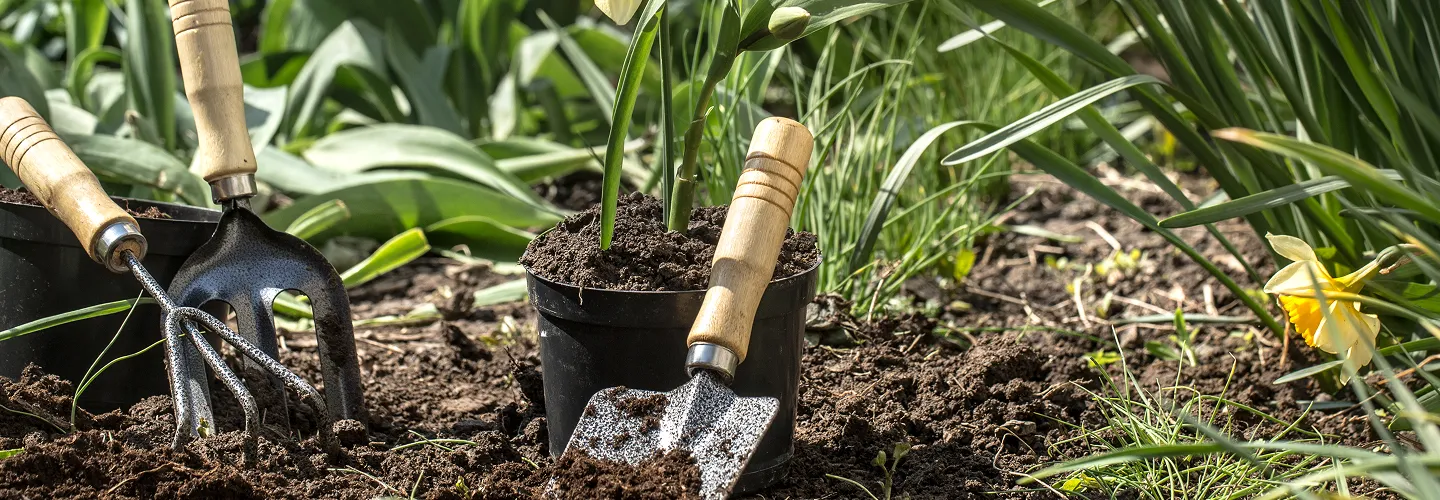
Sun City Flower Planting Services
Choose our Flower Planting service for vibrant, expertly arranged blooms that enhance your curb appeal and thrive in Sun City's unique climate—bringing lasting beauty to your outdoor spaces.
Get a Free QuoteOur Sun City Landscaping & Yard Care Services
When to Schedule Flower Planting in Sun City, Arizona – Seasonal Guide
Flower planting in Sun City, Arizona, is best scheduled with careful attention to the region’s unique desert climate and local landscape features. The optimal planting windows are typically in early spring (late February to early April) and again in the fall (late September to early November), when temperatures are milder and the risk of frost is minimal. These periods allow new plantings to establish roots before the intense summer heat or occasional winter chills. Neighborhoods near the Sun City North Golf Course or along Grand Avenue often experience microclimates due to varying shade from mature trees and proximity to water features, which can influence planting success.
Local environmental factors such as the area’s alkaline, well-draining soils, low humidity, and sporadic rainfall play a significant role in determining the best times for flower planting. It’s important to consider the last expected frost date—usually in late February—and the potential for drought conditions, especially in areas like the Quail Run neighborhood. Homeowners should also be aware of municipal guidelines and water restrictions, which can be found on the official town website, to ensure compliance and sustainable landscaping practices.
Local Factors to Consider for Flower Planting in Sun City
- Tree density and shade coverage in your yard
- Soil composition and drainage characteristics
- Proximity to landmarks like golf courses or water features
- Annual precipitation patterns and drought risk
- Municipal water use restrictions and planting guidelines
- Terrain variations, such as slopes or low-lying areas
Benefits of Flower Planting in Sun City
Expert Landscaping Services
Customized Garden Designs
Seasonal Plant Selection
Enhanced Curb Appeal
Eco-Friendly Planting Solutions
Reliable Maintenance Support
Sun City Flower Planting Types

Annual Flower Beds
-
Perennial Garden Design
-
Native Wildflower Plantings
-
Seasonal Color Rotations
-
Drought-Tolerant Flower Selections
-
Pollinator-Friendly Gardens
-
Container Flower Arrangements
Our Flower Planting Process
Site Evaluation
Soil Preparation
Plant Selection
Careful Planting
Watering and Mulching
Why Choose Sun City Landscape Services
-
Sun City Homeowners Trust Us
-
Expert Lawn Maintenance
-
Reliable Irrigation Solutions
-
Comprehensive Yard Cleanup
-
Competitive Pricing
-
Professional Team
-
Satisfaction Guarantee
Coordinating Flower Planting Projects with Sun City Community and County Resources
Sun City is an unincorporated community within Maricopa County, which means residents and property managers coordinate landscape-related matters through county departments and the Recreation Centers of Sun City rather than a traditional city government. Flower planting projects that involve changes to front-yard landscaping, irrigation modifications, or work near drainage easements may require review through Maricopa County's planning and environmental services divisions. The Sun City Community Resources organization provides guidance on community standards, common-area expectations, and recreational property maintenance that can affect planting decisions on adjacent residential lots.
- Verify whether your subdivision or homeowner association imposes plant palette restrictions or bed-size limitations before purchasing materials
- Confirm irrigation modifications comply with county water management guidelines through Maricopa County Water, Sewage, Stormwater & Waste Services
- Coordinate any planting near drainage channels or retention basins with county engineering to avoid obstructing stormwater flow
Sun City Community Resources
Official Website: Sun City Community Resources
Maricopa County Environmental Services
Official Website: Maricopa County Environmental Services
How Sun City's Low-Desert Heat and Alkaline Soils Shape Flower Planting
Sun City sits in the Phoenix metro low-desert region, classified within USDA Hardiness Zone 9b to 10a according to the USDA Plant Hardiness Zone Map. This placement defines a narrow but critical set of environmental conditions that directly influence flower planting success. Soils throughout the community tend toward alkaline sandy loam, frequently underlain by caliche hardpan that restricts root penetration and drainage. The USDA Web Soil Survey can help property owners identify specific soil series on their parcels before planting.
- Summer surface temperatures on exposed desert soil regularly exceed 150°F, making unshaded flower beds vulnerable to root-zone heat stress
- Alkaline pH levels commonly range above 7.5, which limits iron and phosphorus availability to flowering plants and may cause chlorosis in non-adapted species
- Caliche layers can trap water above the hardpan, creating saturated root zones that promote root rot in species not tolerant of intermittent waterlogging
- Monsoon storms from July through September deliver intense but brief rainfall, causing sheet runoff across compacted or rock-mulched beds
- Reflected heat from block walls, concrete driveways, and decomposed granite surfaces amplifies thermal stress on south- and west-facing planting areas
The Arizona Department of Water Resources provides landscaping guidance that emphasizes low-water-use plant selection suited to these conditions.
Navigating Maricopa County Regulations and Compliance for Flower Planting in Sun City
Because Sun City operates under Maricopa County jurisdiction, regulatory compliance for flower planting involves county-level environmental and zoning standards rather than municipal ordinances. Property owners should be aware of several compliance areas that apply to planting activities, particularly when projects involve soil disturbance, irrigation changes, or proximity to drainage infrastructure.
- Stormwater regulations under the Clean Water Act and Arizona DEQ's Phase II MS4 program require that landscaping activities prevent soil, mulch, and fertilizer from entering storm drains, washes, or retention basins
- Any chemical soil amendments or pest treatments applied during flower bed preparation must be handled by individuals holding appropriate credentials under the Arizona Department of Agriculture's licensing program
- Planting near county-maintained drainage easements or flood-control channels may require coordination with Maricopa County Engineering to ensure vegetation does not impede designed flow capacity
- The Arizona Department of Agriculture's noxious weed list should be consulted to confirm that no prohibited species are introduced through nursery stock or seed mixes
Maricopa County Engineering Design
Official Website: Maricopa County Engineering Design
Timing and Methods for Flower Planting in Sun City's Desert Growing Seasons
Professional flower planting in Sun City follows two primary planting windows dictated by the region's extreme temperature swings. The fall window, typically from mid-October through November, allows cool-season annuals such as petunias, pansies, snapdragons, and stock to establish root systems before winter lows. The spring window, from late February through mid-March, accommodates warm-season and desert-adapted species such as vinca, lantana, desert marigold, and angelita daisy before summer heat intensifies.
- Prepare planting beds by amending alkaline native soil with sulfur-based acidifiers and organic compost to improve nutrient availability and moisture retention
- Install or verify drip irrigation emitters at each planting station, ensuring coverage reaches the root zone without saturating surrounding decomposed granite or rock mulch
- Apply a 2- to 3-inch layer of organic mulch around flower plantings to moderate soil temperature and reduce evaporation, while keeping mulch pulled back from plant stems
- Avoid planting during June through early September, when soil temperatures and ambient heat create establishment failure rates that are difficult to overcome even with supplemental irrigation
- Position heat-sensitive species on north- or east-facing exposures where block walls and structures provide afternoon shade relief
- Water newly installed flowers daily for the first week, then transition to every-other-day irrigation before settling into a schedule aligned with seasonal evapotranspiration rates
What Neighborhoods Do We Serve Throughout Sun City, AZ?
- Sun City Phase 1 — One of the original development phases with mature landscaping, established irrigation systems, and older planting beds that often require soil amendment and emitter replacement before new flower installations
- Sun City Phase 2 — Features slightly larger lots with south-facing exposures common along main corridors, requiring careful species selection to manage reflected heat from adjacent sidewalks and driveways
- Willowbrook — A well-established area where dense shade from mature trees creates microclimate pockets suited to shade-tolerant annuals and perennials not viable in fully exposed Sun City lots
- Sundial Recreation Center Area — Properties near this community hub often maintain visible front-yard flower beds subject to community appearance expectations and irrigation coordination with shared landscape zones
- Bell Recreation Center Area — Lots in this section frequently border common-area drainage swales, requiring attention to runoff patterns and wash-safe planting practices during monsoon season
- Lakeview Area — Proximity to retention features and slightly lower grade elevations create unique soil moisture conditions that influence flower species viability and irrigation scheduling