
Sun City Flower Bed Maintenance Services
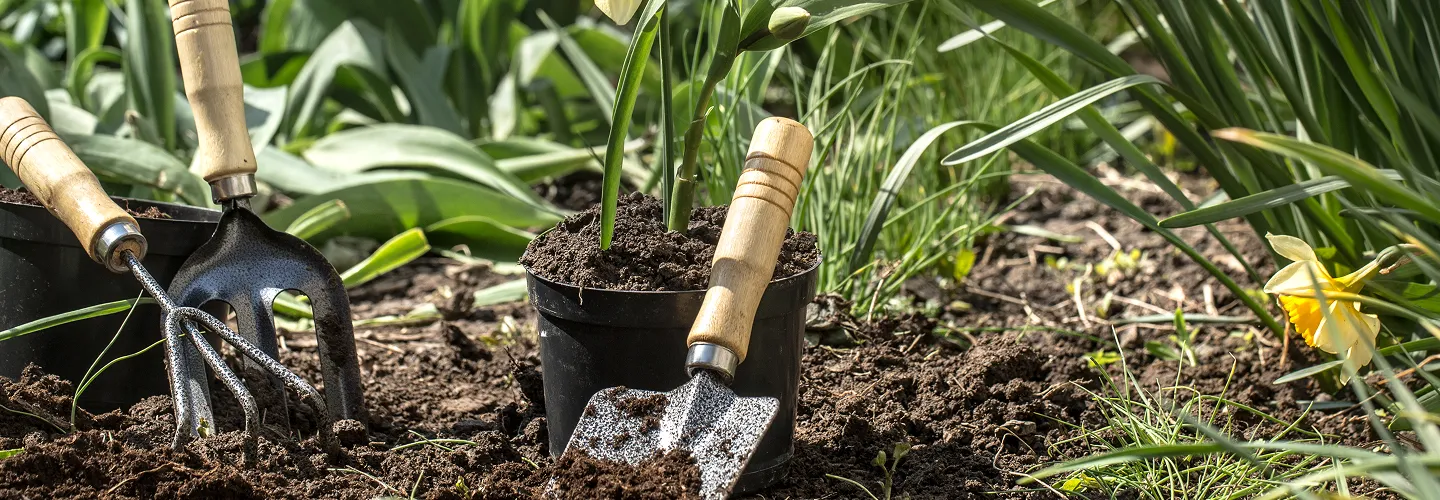
Choose our Flower Bed Maintenance for expert care, healthy blooms, and a beautiful landscape that enhances your home's curb appeal—so you can enjoy a thriving garden without the hassle.
Get a Free QuoteOur Sun City Landscaping & Yard Care Services
When to Schedule Flower Bed Maintenance in Sun City, Arizona – Seasonal Guide
In Sun City, Arizona, the timing of flower bed maintenance is crucial for keeping your landscape vibrant and healthy throughout the year. Due to our unique desert climate, with hot summers and mild winters, the best periods for maintenance are typically early spring and late fall. These seasons allow for optimal plant growth and recovery, while avoiding the extreme heat of midsummer and the occasional frost that can occur in winter. Neighborhoods near the Sun City Recreation Centers and along Grand Avenue often experience microclimates influenced by shade from mature trees and proximity to golf courses, which can affect soil moisture and temperature.
Local environmental factors such as the risk of drought, low humidity, and the sandy, alkaline soils common in areas like the Fairway neighborhood all play a role in determining the best maintenance schedule. It's also important to consider municipal guidelines and water restrictions, which can impact when and how you care for your flower beds. For more information on local regulations and resources, visit the official Sun City community page.
Local Factors to Consider for Flower Bed Maintenance in Sun City
- Tree density and shade coverage, especially near golf courses and parks
- Soil type and drainage, with sandy soils prevalent in many neighborhoods
- Seasonal precipitation patterns and drought risk
- Frost dates, particularly in winter months
- Municipal water use restrictions and landscaping ordinances
- Terrain variations, such as sloped yards or raised beds
Benefits of Flower Bed Maintenance in Sun City
Enhanced Curb Appeal
Weed and Pest Prevention
Healthier Plant Growth
Seasonal Color Optimization
Professional Landscape Expertise
Time and Effort Savings
Sun City Flower Bed Maintenance Types

Seasonal Flower Planting
-
Weed Control Services
-
Mulching and Soil Conditioning
-
Pruning and Deadheading
-
Fertilization Programs
-
Pest and Disease Management
-
Irrigation System Maintenance
Our Flower Bed Maintenance Process
Site Evaluation
Weed Removal
Soil Preparation
Plant Care
Mulching
Why Choose Sun City Landscape Services
-
Sun City Homeowners Trust Us
-
Expert Lawn Maintenance
-
Reliable Irrigation Solutions
-
Comprehensive Yard Cleanup
-
Competitive Pricing
-
Professional Team
-
Satisfaction Guarantee
Coordinating Flower Bed Maintenance with Sun City's Community and County Services
Sun City is an unincorporated community within Maricopa County, which means residents coordinate landscape-related services through county departments and the Recreation Centers of Sun City rather than a traditional city government. For flower bed maintenance, property owners and managers should be aware of green waste disposal procedures, stormwater compliance expectations, and community appearance standards enforced through homeowner associations and the broader Sun City community organization. Maricopa County oversees environmental health programs, stormwater infrastructure, and land-use compliance that directly affect how flower bed debris, soil amendments, and irrigation runoff are managed across residential and common-area properties.
- Green waste generated from flower bed cleanups must be disposed of according to Maricopa County waste handling guidelines; verify current collection or drop-off procedures through county services
- Stormwater protection requires that soil, mulch, and organic debris from bed maintenance not enter street gutters, retention basins, or drainage channels
- Community appearance expectations in Sun City are often governed by individual HOA covenants, which may specify approved plant species, bed edging materials, and maintenance frequency
Sun City Community Resources
Official Website: Sun City Community Resources
Maricopa County Water, Sewage, Stormwater & Waste Services
Official Website: Maricopa County Water, Sewage, Stormwater & Waste Services
How Sun City's Low-Desert Heat and Alkaline Soils Shape Flower Bed Care
Sun City sits in the Phoenix metro low-desert environment, classified within USDA Hardiness Zone 9b to 10a, where summer temperatures routinely exceed 110°F and annual rainfall averages under eight inches. These conditions impose specific demands on flower bed maintenance that differ substantially from temperate-climate practices.
- Soil alkalinity: Soils throughout Sun City tend to be alkaline sandy loam with pH levels commonly above 7.5, which limits nutrient availability for iron-dependent flowering plants and may require chelated iron supplements or sulfur amendments
- Caliche layers: Subsurface caliche is prevalent in many Sun City lots, restricting root penetration and drainage; flower beds installed over caliche require raised bed construction or mechanical breaking to allow adequate water movement
- Reflected heat: Block walls, concrete driveways, and decorative rock common in Sun City amplify radiant heat around flower beds, accelerating soil moisture loss and increasing plant stress during June through September
- Irrigation dependence: Without supplemental drip irrigation, flower beds in Sun City cannot sustain seasonal color; emitter placement, flow rate, and scheduling must account for rapid evaporation and the Arizona Department of Water Resources landscaping conservation guidelines
Navigating Stormwater and Pesticide Regulations Affecting Sun City Flower Beds
Flower bed maintenance in Sun City falls under several regulatory frameworks at the county, state, and federal levels. Maricopa County participates in the Phase II Municipal Separate Storm Sewer System (MS4) program administered by the Arizona Department of Environmental Quality, which requires that landscape maintenance activities prevent pollutants—including fertilizers, pesticides, and sediment—from entering the stormwater conveyance system. Property owners and maintenance providers should ensure that excess soil, mulch, and chemical residues are contained within bed areas and not washed into street inlets or retention basins during irrigation or monsoon events.
- Any commercial application of pesticides or herbicides in flower beds requires proper licensing through the Arizona Department of Agriculture Office of Pest Management, in accordance with Arizona Revised Statutes Title 3
- Noxious weed species identified by the Arizona Department of Agriculture should be removed promptly during bed maintenance to prevent spread into adjacent properties and common areas
- Runoff carrying fertilizer or herbicide residue into washes or flood-control channels may constitute a violation under the Clean Water Act
Maricopa County Environmental Services
Official Website: Maricopa County Environmental Services
Timing Flower Bed Maintenance Around Sun City's Monsoon and Frost Cycles
Professional flower bed maintenance in Sun City follows a seasonal rhythm dictated by extreme heat, monsoon storms, and brief winter frost windows. Scheduling maintenance tasks around these cycles protects plant health, preserves mulch and soil structure, and reduces the risk of storm-related damage.
- Fall planting window (October–November): This is the primary period for installing cool-season annuals such as petunias, pansies, snapdragons, and stock; beds should be cleared of spent summer plantings, soil amended with compost, and emitters inspected before new installations
- Winter maintenance (December–February): Deadheading, light weeding, and frost monitoring are essential; frost events in Sun City are infrequent but possible, and temporary frost cloth should be available for sensitive plantings during overnight lows near 32°F
- Pre-monsoon preparation (May–June): Mulch should be replenished or secured to prevent washout; beds adjacent to slopes or drainage paths require edging reinforcement and emitter checks to ensure monsoon rains do not displace soil or expose root zones
- Post-monsoon recovery (September–October): Weed flushes following summer rains demand prompt hand removal or targeted post-emergent treatment before seed set; damaged mulch layers should be restored and irrigation schedules adjusted as temperatures moderate
- Summer heat management (June–August): Flower beds in full sun exposures may require temporary shade structures or a shift to heat-tolerant species such as vinca, lantana, or desert marigold; irrigation frequency typically increases to daily or twice-daily emitter cycles depending on bed exposure and soil composition
What Neighborhoods Do We Serve Throughout Sun City, AZ?
- Sun City Phase 1: As the original development area with mature landscaping dating to the 1960s, flower beds here often feature established root systems, older irrigation infrastructure requiring emitter upgrades, and dense shade from large trees that affects planting selection
- Sun City Phase 2: Properties in this area commonly have larger lots with south- and west-facing bed exposures that intensify heat stress, requiring careful species selection and mulch management to sustain seasonal color
- Willowbrook: This neighborhood features homes near golf course corridors where reflected irrigation moisture and turf adjacency create unique weed pressure in flower beds along property boundaries
- Sundial Recreation Center Area: Flower beds in this central district often border community walkways and common areas, where HOA appearance standards and pedestrian visibility influence maintenance frequency and plant height requirements
- Bell Recreation Center Area: Properties near Bell Recreation Center tend to have compact front-yard beds with decorative rock borders, where emitter precision and weed suppression between rock and planting zones are primary maintenance concerns
- Lakeview Area: Proximity to retention features and lower-lying terrain in this section of Sun City can affect drainage around flower beds, requiring attention to grade and soil saturation during monsoon events