
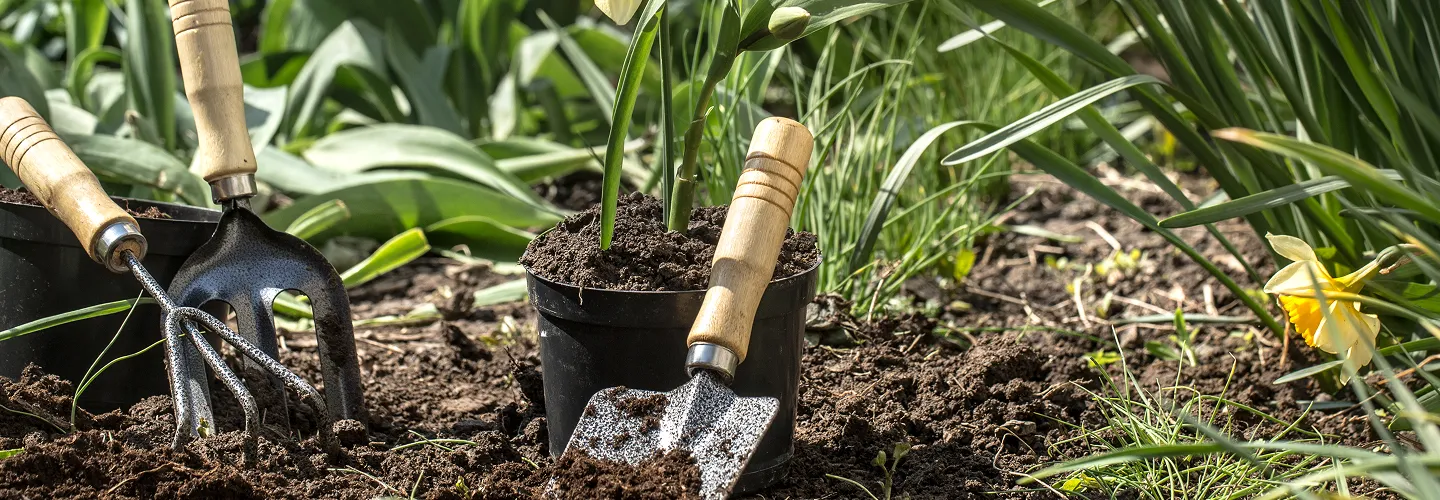
Sun City Lawn Aeration Services
Choose our expert lawn aeration services to boost grass health, improve soil quality, and ensure your yard stays lush and vibrant all season long.
Get a Free QuoteOur Sun City Landscaping & Yard Care Services
When to Schedule Lawn Aeration in Sun City, Arizona – Seasonal Guide
In Sun City, Arizona, the best time to schedule lawn aeration is typically during the late spring or early fall. These periods align with the region’s warm-season grass growth cycles and help your lawn recover quickly from the aeration process. Sun City’s unique desert climate—characterized by hot, dry summers and mild winters—means that timing is crucial to avoid stressing your turf. For neighborhoods near the Sun City Country Club or along Grand Avenue, local soil tends to be compacted and alkaline, making regular aeration especially beneficial.
Environmental factors such as the area’s low humidity, risk of drought, and the presence of caliche soils can impact how and when aeration should be performed. Properties with mature shade trees, like those near Bell Recreation Center, may require different timing due to cooler, shadier microclimates. It’s also important to consider municipal watering restrictions and local precipitation patterns, which can affect soil moisture and aeration effectiveness. For more information on local regulations and best practices, visit the official Sun City resource.
Local Factors to Consider for Lawn Aeration in Sun City
- Tree density and shade coverage
- Soil type (e.g., caliche or sandy soils)
- Terrain and slope of your property
- Seasonal precipitation and drought risk
- Frost dates and temperature fluctuations
- Municipal watering restrictions
- Proximity to local landmarks or golf courses
Benefits of Lawn Aeration in Sun City
Improved Soil Health
Enhanced Grass Growth
Better Water Absorption
Reduced Soil Compaction
Increased Nutrient Uptake
Stronger, Greener Lawns
Sun City Lawn Aeration Types

Core Aeration
-
Spike Aeration
-
Liquid Aeration
-
Slicing Aeration
-
Manual Aeration
-
Plug Aeration
-
Aeration with Overseeding
Our Lawn Aeration Process
Site Evaluation
Preparation
Core Aeration
Cleanup
Post-Aeration Recommendations
Why Choose Sun City Landscape Services
-
Sun City Homeowners Trust Us
-
Expert Lawn Maintenance
-
Reliable Irrigation Solutions
-
Comprehensive Yard Cleanup
-
Competitive Pricing
-
Professional Team
-
Satisfaction Guarantee
Coordinating Lawn Aeration Services with Sun City's Community and County Resources
Sun City is an unincorporated community in Maricopa County, which means residents coordinate lawn care logistics through county-level departments and the Recreation Centers of Sun City rather than a traditional city government. For lawn aeration projects that generate soil cores or debris near streets and drainage infrastructure, property owners should verify current green waste and bulk material handling procedures through county services. Aeration work adjacent to public rights-of-way, drainage channels, or retention basins may require awareness of county engineering standards to avoid disrupting stormwater flow paths. The Sun City Community Resources organization can direct residents to relevant HOA contacts and community maintenance guidelines that often govern turf care standards across the community's numerous subdivisions.
- Confirm green waste and soil core disposal procedures through county waste services before scheduling large-scale aeration
- Verify that aeration equipment access does not obstruct sidewalks, golf cart paths, or shared community corridors
- Coordinate timing with irrigation district schedules to ensure adequate post-aeration watering
Maricopa County Engineering Design
Official Website: Maricopa County Engineering Design
Sun City Community Resources
Official Website: Sun City Community Resources
How Sun City's Desert Soils and Low-Desert Heat Affect Lawn Aeration
Sun City sits in the Phoenix metro low-desert region, classified within USDA Hardiness Zone 10a, where summer temperatures routinely exceed 110°F and annual rainfall averages under eight inches. These conditions create specific challenges for lawn aeration that differ substantially from temperate climates. The predominant soils in the area tend toward alkaline sandy loam and compacted subdivision fill, often underlain by caliche—a calcium carbonate hardpan layer that restricts root penetration and water infiltration. Decades of flood irrigation and sprinkler use on Sun City's mature lots have contributed to salt accumulation in the upper soil profile, further compacting surface layers. According to the USDA Web Soil Survey, soils in the northwest Phoenix metro area frequently exhibit high calcium carbonate content and low organic matter.
- Caliche layers can limit aeration tine depth and may require assessment before core aeration begins
- Alkaline soil pH (commonly 7.5–8.5) reduces nutrient availability, making aeration-enhanced infiltration especially important
- Salt accumulation from decades of irrigation concentrates near the surface, and aeration helps flush salts below the root zone
- Reflected heat from block walls, concrete driveways, and golf cart paths intensifies turf stress on adjacent lawn edges
Navigating Stormwater Compliance and Regulatory Standards for Lawn Aeration in Sun City
Although lawn aeration does not typically require a permit, the activity intersects with stormwater and environmental compliance obligations that apply throughout Maricopa County. Soil cores left on turf surfaces should be allowed to break down naturally or be collected—they must not be swept or blown into street gutters, storm drains, or drainage channels. Under the Clean Water Act and Arizona's Phase II MS4 stormwater program, sediment and organic material entering the municipal separate storm sewer system constitutes a potential discharge concern. Lawn care operators applying any soil amendments or fertilizers in conjunction with aeration must hold appropriate credentials under the Arizona Department of Agriculture's licensing framework. Residents should also be aware that the Arizona Department of Water Resources provides landscaping guidance relevant to post-aeration irrigation practices within the Phoenix Active Management Area.
- Do not allow soil cores, sediment, or amendment material to enter curb inlets, washes, or retention basins
- Verify that any post-aeration fertilizer application complies with state applicator licensing requirements
- Irrigation adjustments following aeration should align with current water conservation guidelines for the Phoenix AMA
Maricopa County Water, Sewage, Stormwater & Waste Services
Official Website: Maricopa County Water, Sewage, Stormwater & Waste Services
Timing and Methods for Lawn Aeration During Sun City's Active Growing Seasons
Core aeration in Sun City should be timed to coincide with active turf growth so that the lawn recovers quickly from the mechanical disturbance. For bermudagrass—the dominant warm-season turf throughout Sun City—the primary aeration window falls between late April and early June, when soil temperatures are consistently above 65°F and the grass is actively spreading. A secondary window exists in early September after monsoon intensity subsides but before fall overseeding preparations begin. The University of Arizona Cooperative Extension and the Turfgrass Maintenance Guide for Low Elevation Arizona both emphasize timing aeration to active growth periods for optimal recovery.
- Core aeration commonly targets roughly 2–3 inches of penetration with hollow tines spaced 2–4 inches apart
- Irrigate the lawn thoroughly 24–48 hours before aeration to soften compacted and alkaline soils
- Avoid aerating during peak summer heat (mid-June through August) when turf recovery is compromised by extreme temperatures
- Leave extracted soil cores on the surface to decompose and return nutrients to the turf profile
- Schedule post-aeration irrigation to begin within a few hours of completing the work, promoting root-zone moisture penetration
- For properties with winter ryegrass overseed, complete fall aeration at least two to three weeks before overseeding to allow turf healing
What Neighborhoods Do We Serve Throughout Sun City, AZ?
- Sun City Phase 1 — One of the original development phases with mature bermudagrass lawns on older irrigated lots, where decades of compaction and salt buildup make regular aeration particularly beneficial for maintaining infiltration.
- Sun City Phase 2 — Features established turf areas adjacent to golf courses and recreation centers, with reflected heat from surrounding hardscape increasing the importance of deep water penetration after aeration.
- Willowbrook — Properties in this area often have larger lot sizes with extensive turf coverage, requiring coordinated aeration and irrigation scheduling to manage water use efficiently.
- Sundial Recreation Center Area — Residential lots near Sundial tend to feature mature landscaping with mixed turf and desert plantings, where aeration supports root health in compacted soils beneath shade canopies.
- Bell Recreation Center Area — Homes surrounding Bell Recreation Center frequently maintain front and rear bermudagrass lawns on alkaline soils that benefit from seasonal core aeration to improve nutrient uptake and reduce surface crusting.
- Lakeview Recreation Center Area — Properties near Lakeview often sit adjacent to retention features and drainage corridors, making post-aeration sediment management and runoff awareness especially relevant.